
Camping meals often present a unique challenge. Fresh vegetables can get squashed during transport, delicate ingredients like lettuce or bell peppers may lose moisture, and onions can leak, creating a mess. Cooking over a campfire adds another layer of complexity: vegetables may burn on the outside while remaining raw in the center. A simple, efficient solution combines vacuum sealing with foil packs, allowing vegetables to retain moisture and cook evenly over embers. In just 20 minutes, a well-prepared pack can deliver tender, flavorful vegetables, making outdoor dining both simple and enjoyable.
This method addresses two key camping meal issues: preserving vegetable freshness during transport and controlling cooking temperature over a campfire.
Common Challenges in Cooking Vegetables While Camping
Campers frequently encounter these three problems when attempting to cook fresh vegetables outdoors:
1. Vegetables spoil during transport
Transporting pre-cut vegetables in conventional plastic bags often leads to limp or oxidized produce. Bell peppers may soften, onions can darken, and leafy greens like lettuce can become soggy. Hard vegetables like broccoli or carrots may begin to lose texture or even develop off smells if stored too long, resulting in wasted ingredients.
2. Campfire cooking is difficult to control
Direct cooking over a campfire can easily overcook or undercook vegetables. High heat at the fire’s core may burn potatoes or carrots on the edges while leaving the center raw. Wrapping vegetables loosely in foil without prior preparation often results in moisture loss, producing dry, tough vegetables instead of tender, flavorful dishes.
3. On-site preparation is cumbersome
Slicing vegetables at a campsite can be inefficient and messy. Limited space, wind, and minimal tools increase the chance of spills and dirt contamination. Handling oils, salt, or seasoning containers adds to the complexity, detracting from the overall camping experience.
Vacuum Sealing and Foil Packs: Two Core Advantages
The combination of vacuum sealing and foil packs streamlines camping vegetable cooking, making it more predictable and flavorful.
1. Vacuum sealing preserves moisture
Using a vacuum sealer with food-grade bags removes air, reducing oxidation and slowing microbial growth. Vegetables maintain their freshness for up to three times longer than conventional storage. Pre-cut vegetables like bell peppers, potatoes, and onions retain crispness during transport.
Scientific Insight: Research by the American Food Science Association shows that vacuum conditions reduce vegetable respiration, decreasing water loss from 20% to under 5% and preventing cross-flavors between aromatic vegetables such as onions and garlic.
Practical Tip: Even if vegetables are sealed two days in advance, they remain fresh upon arrival at the campsite. Any leftovers can be stored in a cooler or refrigerator for another two days, minimizing food waste.
2. Foil packs enable even cooking
Aluminum foil distributes heat evenly and retains moisture. Transferring vacuum-sealed vegetables into foil packs with a touch of olive oil and seasoning ensures thorough cooking without constant monitoring. Placing the packs in campfire embers, rather than directly over flames, allows for gentle, uniform heat, preventing burning.
Temperature Control: Embers typically reach 360–425°F, ideal for cooking dense vegetables like potatoes and carrots, while softer vegetables such as bell peppers and onions cook evenly without becoming soggy.
Efficiency: Once packs are in the embers, there’s no need to flip or stir constantly, freeing up time to prepare other components like grains or proteins. A complete campfire dinner can be ready in under 30 minutes.
Step-by-Step Guide: Preparing Vacuum-Sealed Foil Vegetable Packs
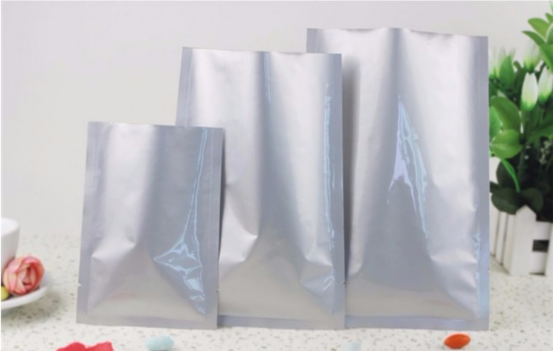
This method is simple and requires minimal tools. Preparation at home reduces stress at the campsite and ensures consistently delicious results.
Step 1: Pre-cut and vacuum-seal vegetables
Select sturdy vegetables: Potatoes, carrots, bell peppers, and onions are ideal. Avoid delicate greens such as spinach or lettuce.
Portion and seal: Divide vegetables into single-serving portions using vacuum-seal bags. Leave a small gap (approximately 0.4 inches) at the top to allow for expansion during heating. For those without a vacuum sealer, hand-pump bags with built-in valves can suffice.
Step 2: Assemble foil packs and season
Transfer vegetables: Place vacuum-sealed vegetables into thick-duty aluminum foil.
Add seasonings: Drizzle with olive oil and sprinkle with salt, black pepper, and optional garlic or herbs. Fold the edges tightly to prevent leakage while leaving a small air pocket at the top to accommodate expansion.
Step 3: Cook over campfire embers
Select cooking location: Avoid direct flames; use an ember bed around 360–425°F. Stabilize packs with small stones if windy.
Cooking times: Dense vegetables such as potatoes and carrots require about 20 minutes. Softer vegetables like bell peppers or onions cook in approximately 15 minutes. No flipping is needed. Sprinkle with fresh parsley or other herbs when opening the pack for added flavor.
Benefits Confirmed by Outdoor Enthusiasts
Feedback from campers on forums and e-commerce reviews aligns with this method’s effectiveness:
Amazon reviewer, @CampingLover: “Vegetables stay fresh for days with vacuum sealing, and foil packs over embers make them tender and delicious. Even kids prefer them over sandwiches.”
Camping forum user, @FireCook: “Foil alone often results in moisture loss. Vacuum sealing keeps the juices intact, producing perfectly cooked peppers and tender potatoes.”
Reddit user, @VeggieCamper: “Vacuum-sealed foil packs make vegetarian camping meals simple. Prepping multiple flavor variations allows quick cooking each night.”
Choosing a Vacuum Sealer for Camping
Entry-level models suffice for most outdoor meal prep:
Portability: Compact sealers (≤2.2 lbs) fit easily in camping gear and don’t occupy much space at home.
Bag compatibility: Use smaller portion-sized bags (6×8 inches) for single-serving packs to minimize waste.
Hand-pump vacuum bags are a budget-friendly alternative. They require more effort but are effective and convenient for camping trips.
Tips for Optimizing Campfire Vegetable Packs
Weekly maintenance at home: Pre-wash and cut vegetables 1–2 days in advance.
Temperature control at camp: Avoid direct flames; embers offer consistent heat.
Variety: Prepare multiple flavor profiles (e.g., garlic herb, black pepper, tomato basil) for diverse meals.
Final Thoughts
Combining vacuum sealing with foil packs transforms camping vegetables from an unpredictable challenge into a convenient, flavorful experience. Dense vegetables cook evenly, moisture is preserved, and prep time at the campsite is minimized. With proper planning, outdoor meals can be as satisfying as those prepared in a home kitchen, enhancing the overall camping experience.
Campers are encouraged to experiment with different vegetables, seasonings, and portion sizes. Sharing tips and experiences helps the broader community elevate their outdoor cooking game.