
Why Using a Vacuum Sealer Matters for Grapes
Grapes are delicate fruits with thin skins and high water content, making them prone to spoilage during storage. Conventional refrigeration keeps grapes fresh for just 3–5 days, while proper vacuum sealing can extend freshness to 1–2 weeks. However, improper vacuum sealing can crush grapes, causing juice leakage and accelerated decay. This guide explains how to preserve grapes perfectly using a vacuum sealer, from preparation to storage, and highlights recommended equipment.
Three Core Reasons Grapes Get Crushed During Vacuum Sealing
1. Fragile Grape Structure
Grape skins are extremely thin, only 0.1–0.2 mm, and the fruit is over 80% water. When a vacuum sealer extracts air, external pressure compresses the bag, easily breaking the skin and forcing juice out, which accelerates spoilage.
2. Inadequate Pre-Treatment
Residual water, dust, or microorganisms such as yeast and mold spores create a high-humidity environment inside the bag. Damaged grapes can spread microbes, leading to rapid decay.
3. Improper Equipment and Materials
Household external vacuum sealers often reach high vacuum levels (-0.09 MPa or below) with fast air extraction, which can crush grapes.
Thin vacuum bags (<80 μm) cannot support weight and increase the risk of crushing when stacking.
Step-by-Step Guide to Prevent Crushing
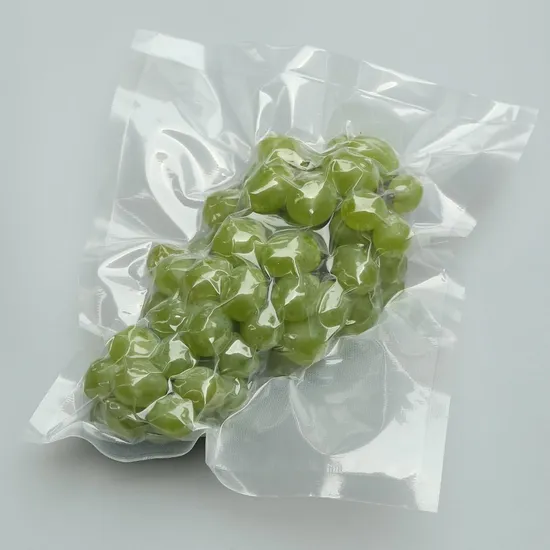
1. Pre-Treatment: Three Steps to Reduce Damage
Sorting: Remove damaged or moldy grapes. Divide large varieties (like Kyoho or Summer Black) into clusters of 2–3 berries.
Cleaning and Drying: Rinse gently with water (or vegetable wash), spread on a paper towel to absorb moisture, and air-dry 1–2 hours.
Cushioning: Wrap grapes in paper towels or use bubble wrap at the bag bottom to absorb pressure.
2. Choosing Equipment and Bags
Vacuum Sealer: Prefer adjustable home models with low/medium/high vacuum settings. For grapes, set to -0.06 to -0.07 MPa. For bulk sealing, a chamber vacuum sealer minimizes compression.
Bags: Food-grade nylon composite bags, 100–120 μm thick, or reusable vacuum bags. Add silicone pads for extra cushioning.
3. Precise Sealing Techniques
Adjust Settings: Use medium-low vacuum and slow extraction to avoid sudden bag collapse.
Placement: Lay grapes flat with 1–2 cm spacing; leave 5–8 cm at the bag opening and keep fruit away from the air intake.
Monitor Sealing: Pause if grapes deform during extraction. Seal at 120–130°F.
Check Results: Ensure the seal is airtight, there are no air bubbles, and the grapes remain intact.
4. Smart Storage
Temperature: Refrigerate at 32–39°F to prevent microbial growth. Avoid freezing, which can damage grape texture.
Positioning: Store flat; avoid stacking or vertical placement. For large batches, use cardboard layers to distribute weight.
Before Eating: Let grapes sit at room temperature 5–10 minutes to reduce condensation, then rinse. Eat damaged grapes first.
Recommended Vacuum Sealers
1. Home Use
Adjustable vacuum pressure (-0.06 MPa or above)
Slow extraction option (0–30 seconds)
Sealing temperature control, includes accessories for fruits and vegetables
Compatible with 80×120 mm nylon composite bags (100 μm)
2. Commercial / Bulk Use
Chamber vacuum sealers reduce pressure evenly around grapes
Adjustable vacuum (0–0.098 MPa) and extraction time (0–60 seconds)
Supports large bags and custom cutting
Use 120 μm commercial vacuum rolls for durability
Common Mistakes to Avoid
Sealing whole grape clusters: Stems may pierce the bag; tightly packed grapes crush each other.
Pursuing maximum vacuum: Medium-low vacuum (-0.06 to -0.07 MPa) is sufficient; higher levels increase crushing risk.
Storing at room temperature: Microbes thrive at 68–77°F; refrigerate immediately to extend freshness.
Conclusion: The Formula for Success
Perfectly vacuum-sealed grapes require thorough preparation, proper equipment, precise operation, and smart storage. Sort and dry grapes, cushion them, select adjustable vacuum sealers with thick bags, set parameters carefully, and store flat at cold temperatures. This method extends freshness to 1–2 weeks and works for other delicate fruits like strawberries and blueberries. For reliable vacuum sealers and accessories, visit Buy Vacuum Sealer to avoid failures caused by unsuitable equipment.