
For the past four years, I’ve been growing zucchini in a local community garden. Every summer, between June and August, the plants explode with fruit. It’s not unusual for me to pick 20 to 25 pounds of zucchini in a single week. But fresh zucchini is notoriously delicate. If I simply store it in the fridge, it starts to wrinkle after three days, turns soft after five, and by the end of the week, I’m throwing several pounds in the compost.
Last year, I decided to try using a vacuum sealer. To my surprise, vacuum-sealed zucchini stayed fresh in the refrigerator for more than two weeks. When I sliced it open, it was still crisp and juicy—almost indistinguishable from the day it was picked. Soon, other gardeners in my community followed suit. Now, hardly anyone wastes zucchini anymore.
Many people assume that putting vegetables in the fridge is enough. But zucchini has a thin skin and a water content of about 95 percent, making it extremely prone to moisture loss and bacterial spoilage. Regular storage methods like plastic wrap or containers can only slow this process, not stop it. Vacuum sealing, however, directly targets those weak points—oxygen and moisture loss—keeping zucchini fresh much longer.
Why Regular Storage Methods Fail for Zucchini
Before I discovered vacuum sealing, I tried several common storage methods. None of them worked well.
1. Room Temperature Storage
My first instinct was to store freshly picked zucchini on the kitchen counter. By the second day, the skin began to shrivel. By day three, the whole squash softened and lost its snap. The issue is that zucchini stores best at 39–45°F (4–7°C). At room temperature, bacteria multiply three times faster, leading to rapid spoilage.
2. Plastic Wrap and Fridge Storage
Wrapping zucchini tightly in plastic wrap didn’t help much either. If I wrapped it too tightly, condensation built up inside, speeding up decay. If I wrapped it too loosely, air leaked in, and the zucchini spoiled within five to seven days. Once, I wrapped five zucchinis and opened the fridge a week later—three were covered in mold.
3. Cutting Before Storage
I also tried cutting zucchini into smaller pieces for convenience. This turned out to be the worst method. Once cut, the exposed flesh quickly oxidized and lost moisture. Within two days, the pieces darkened and softened, forcing me to trim away large portions before cooking.
Then, at a community garden workshop, a neighbor mentioned they were using a vacuum sealer to store vegetables. I decided to try it. Ten days later, the vacuum-sealed zucchini was still firm, bright, and fresh—almost like the day it was harvested.
Why Vacuum Sealing Works: The Preservation Science
According to the United States Department of Agriculture (USDA) Fresh Vegetable Storage Guide, the effectiveness of vacuum sealing comes down to two core principles:
1. Removing Oxygen Slows Bacterial Growth
Zucchini spoils primarily because of aerobic bacteria that need oxygen to thrive. A vacuum sealer removes most of the oxygen from the storage bag, typically reducing residual oxygen levels to less than 1 percent. Without oxygen, these bacteria can’t multiply as quickly. USDA data shows that vacuum sealing can slow bacterial growth by up to 80 percent, significantly extending shelf life.
I ran my own small test: one zucchini vacuum-sealed, one wrapped in plastic, and one left unwrapped. All were stored at 41°F (5°C). The unwrapped zucchini spoiled in five days, the wrapped one in eight, and the vacuum-sealed zucchini lasted more than 21 days before showing signs of softening.
2. Locking in Moisture Keeps Zucchini Crisp
Because zucchini has such a high water content, it quickly loses moisture through its skin when stored in the open. Vacuum seal bags are designed to be airtight and moisture-proof. In my kitchen test, vacuum-sealed zucchini lost only 2 percent of its weight after two weeks, while plastic-wrapped zucchini lost 15 percent. This moisture retention is why vacuum-sealed zucchini remains crisp and fresh.
Step-by-Step Guide: How to Vacuum Seal Zucchini Like a Pro
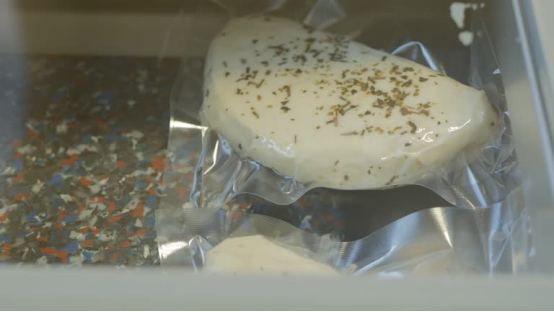
Many people assume vacuum sealing is complicated, but the process is simple if you follow a few key steps.
Step 1: Choose the Right Zucchini
For best results, pick zucchinis that are:
Smooth and bright green, without blemishes
Firm to the touch, without soft spots
Heavy for their size, which indicates high moisture content
Avoid overgrown zucchinis with tough skins and developed seeds. These don’t seal or store well.
Step 2: Wash and Dry Thoroughly
Dirt and moisture can cause premature spoilage. Wash zucchinis under running water and gently scrub away any soil. Dry them completely with paper towels. Make sure no moisture remains, especially around the stem.
Step 3: Decide Between Whole or Sliced Storage
Whole zucchini: Best if you plan to use the entire squash at once. Make sure the bag is large enough to fit the whole zucchini.
Sliced zucchini: Ideal for easy portioning. Cut into 1–2 inch pieces and seal immediately to prevent oxidation.
Step 4: Use the Right Bags and Sealer
Vacuum seal bags: Choose BPA-free, food-grade PE+PA composite bags. Avoid regular plastic bags, which don’t hold a vacuum.
Vacuum sealer:
For small batches, a handheld vacuum sealer is inexpensive and easy to use.
For large harvests, a countertop vacuum sealer or chamber vacuum sealer provides stronger suction and more consistent seals.
Step 5: Refrigerate Properly
Store sealed bags in the refrigerator, not the freezer. Freezing breaks cell walls and ruins texture.
Storage time: 14–21 days is ideal.
Re-seal after opening: If you don’t use all of it at once, reseal the bag immediately.
Check periodically: If the bag expands, it may have lost its vacuum. Use the zucchini promptly.
Practical Tips for Different Storage Needs
Community Garden Growers: High Volume, Easy Distribution
For those harvesting large quantities at once, a chamber vacuum sealer can handle multiple zucchinis at a time. Seal two or three per bag, label them with the date, and share with neighbors. You can also use mason jar vacuum sealers for gifting.
Home Cooks: Small Batch Storage
An entry-level vacuum sealer is usually sufficient for home kitchens. Seal one meal’s worth of zucchini per bag to avoid waste. Don’t store zucchini next to onions or garlic to prevent flavor transfer.
Beginners: Simple and Fail-Safe
If it’s your first time, buy a starter vacuum sealing kit that includes bags. Start with one zucchini to learn the process. If the bag loses its seal, wipe the edge dry and reseal.
Real Experiences from Fellow Gardeners
Dozens of gardeners in my community now use this method. Their feedback speaks for itself:
Susan (68, community gardener): “I used to give away half my harvest because it spoiled so fast. Now I vacuum seal my zucchini and it stays fresh for weeks. My daughter said it tastes better than store-bought.”
Tom (54, home cook): “I use a mason jar sealer to preserve zucchini slices in a light brine. The flavor intensifies, and I get to enjoy garden vegetables all season long.”
Maria (32, first-time gardener): “I bought a handheld sealer, and it couldn’t be easier. Press the button and you’re done. Ten days later, my zucchini was still crisp.”
Share Your Zucchini Storage Tips
Vacuum sealing isn’t the only method for preserving zucchini, but it’s one of the best for maintaining that fresh-picked flavor. Some people prefer blanching and freezing or making sauces, but for pure, crisp zucchini, vacuum sealing stands out.
If you’ve grown zucchini in your garden or tried other storage methods, share your experience. Have you run into issues like bag leaks or flavor transfer? Let’s exchange ideas and make the most of every harvest.