
Last winter, I noticed my mother, who lives alone, often ate cold porridge for lunch. With knee problems, standing at the stove to heat porridge took 15 minutes, and she worried about it overflowing and making a mess. Store-bought instant porridge was often too salty, and she didn’t want to eat too much.
I started preparing vacuum-sealed portions of homemade porridge. By cooking it in the morning and sealing individual servings, my mother now only needs to tear open a bag and microwave it for 60 seconds to enjoy warm, soft porridge. No standing at the stove, no mess, no stress. As someone who has cared for an elderly family member, I understand the common challenges of serving hot meals. Vacuum-sealed porridge not only solves the heating hassle but also preserves freshness and flavor. Many friends now use this method for their parents.
I’ve tried multiple meal solutions for seniors, from pre-packaged meals to insulated lunch boxes, but they often lacked variety or didn’t keep food warm long enough. Vacuum-sealed porridge combines fresh homemade taste with convenient reheating, maintaining the soft texture of hand-cooked porridge without complicated steps—perfect for seniors with dental or mobility issues.
Common Challenges Seniors Face When Eating Porridge
Many people assume “just cook porridge for the elderly” is enough, but in reality, several issues make it difficult for seniors to enjoy a warm bowl. Vacuum-sealed porridge addresses these challenges precisely.
Challenge 1: Heating is Complicated and Risky
Seniors move slowly, and heating porridge on the stove requires constant supervision to prevent overflow. Lifting a hot pot to serve is physically demanding and risky. My mother once spilled hot millet porridge on her hand, causing minor burns, and often resorted to eating it cold.
Solution: Microwave-ready vacuum-sealed pouches. Each portion (200-250ml, about one bowl) is sealed in microwave-safe bags. Seniors simply:
Tear open a small corner of the bag to release steam
Microwave on high for 1 minute
Pour into a bowl (bag is cool to the touch)
No stove, no hot pots, safe and effortless. My mother now heats her lunch independently and says it’s easier than cooking noodles.
Challenge 2: Cooking in Bulk Leads to Spoilage
Seniors often cook large batches. Porridge stored in the fridge for a few days can thicken, clump, or develop off-flavors. I once cooked millet porridge for my mother, and after three days in the fridge, it became a sticky mush, wasted entirely.
Solution: Vacuum sealing removes almost all air and slows bacterial growth, extending freshness up to three times longer. Tests showed vacuum-sealed pumpkin porridge remained smooth after seven days refrigerated, whereas regular storage thickened in four days.
Challenge 3: Store-Bought Instant Porridge is Too Salty or Sweet
Commercial instant porridge often contains high salt or sugar for preservation, unsuitable for seniors with hypertension or diabetes, and the texture is thin rather than soft and creamy.
Solution: Customize flavor with vacuum-sealed porridge. Cook with minimal salt and sugar, include favorite soft ingredients like carrots or yam. Healthy, flavorful, and safer than pre-packaged options.
Senior-Friendly Design: From Ingredients to Heating
Vacuum-sealed porridge is not just “putting porridge in a bag.” Every step—from ingredient selection to sealing and reheating—is designed for seniors’ needs.
1. Ingredient Selection: Soft and Easy to Chew
Choose ingredients that become soft when cooked:
Grains: Millet, rice, oats (soaked for 30-60 minutes)
Vegetables: Carrots, yam, winter squash (cut small, cook until tender)
Protein: Eggs (scrambled into porridge), shredded chicken breast
Avoid hard beans or large meat chunks, which are difficult to chew.
2. Sealing: Microwave-Safe and Easy to Open
Use PP microwave-safe vacuum bags with tear strips. They can withstand up to 120°C, are safe for microwaving, and are easy for seniors to open without scissors.
3. Heating Instructions: Steam Release and Portion Control
Tear a 1cm corner before microwaving to release steam
Portion 200-250ml per bag for a single serving
Let sit for 1 minute after microwaving to prevent burns
Step-by-Step Guide: Preparing Vacuum-Sealed Porridge for Seniors
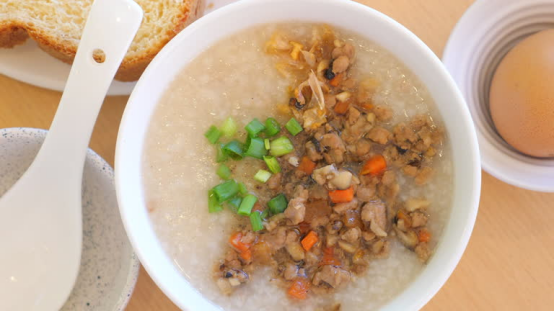
Step 1: Cook the Porridge
Soak grains (rice, millet, oats) in water 30-60 minutes
Add extra water (1 cup grain : 5 cups water) for a soft texture
Cook with minimal salt and sugar
Step 2: Cool to Room Temperature
Let porridge cool to ~25°C before sealing
Avoid sealing hot porridge to prevent bag deformation and condensation
Step 3: Seal
Fill bag two-thirds full
Use a small vacuum sealer with “wet mode”
Check seal integrity: bag tight, edges sealed, no leaks
Step 4: Reheat
Teach seniors “Tear, Place, Press”:
Tear the bag at the corner
Place in microwave with the opening facing up
Press high power for 1 minute
My mother learned it in one try and now heats lunch herself daily.
Real Feedback from Families
@Lisa, caring for her father: “He has arthritis and couldn’t lift a pot before. Now he just tears the bag and microwaves. Safe and makes him feel independent.”
@Michael, caring for his mother: “My mom has diabetes. I make unsweetened millet porridge in vacuum bags. Even after 7 days refrigerated, it’s fresh and healthy. Her blood pressure is stable.”
@NursingHomeWorker, New York: “Vacuum-sealed porridge is quick to heat, reduces waste, and seniors can operate independently. Makes care easier and dignified.”
Conclusion: Convenience and Health Go Hand in Hand
For seniors, a hot bowl of porridge is more than nutrition—it’s a matter of comfort and quality of life. Vacuum-sealed porridge solves the challenges of heating and spoilage, allows for customizable flavors, and supports health needs.
Now I prepare three flavors weekly—millet yam, pumpkin, and vegetable egg porridge. My mother enjoys variety, no more cold or overly salty porridge. True care for seniors lies in these simple, convenient details.