Baking Pantry Hack: Keep Almond Flour Fresh for 6 Months with Vacuum Sealing

As a passionate baker in California who bakes desserts at least three times a week, I’ve wasted quite a bit of money on almond flour. Last Black Friday, I stocked up on two 1kg containers. Stored in regular airtight jars, the flour started clumping and developed a faint rancid smell after just six weeks. I had to throw it away.
After chatting with Chef Lisa from a local baking studio, I learned that almond flour contains over 40% oil and is highly hygroscopic. Ordinary storage containers can’t protect it from California’s coastal humidity and oxygen exposure. Vacuum sealing solves this problem at its core.
Now, I use vacuum sealing to store almond flour. Opened bags stay fresh for six months, whether for making almond milk or whipping meringues for macarons. This guide shares how to go from “wasting flour” to “smart saving,” whether you live in a New York apartment or a Texas villa.
Why Almond Flour Is Hard to Store: Common Mistakes
Many bakers think “just use an airtight container,” but three main issues usually cause premature spoilage, especially with large 1kg+ packs common in US supermarkets.
1. High Oil Content Leads to Oxidation
Almond flour has ten times more oil than all-purpose flour. Once exposed to air, the oils oxidize quickly, producing a rancid smell. Even with airtight jars, oxidation still happens within weeks, affecting taste and potentially generating harmful substances.
According to the American Baking Association, unsealed almond flour oxidizes three times faster than sealed flour. Standard airtight jars slow it down slightly but still leave oxygen inside. Vacuum sealing can remove over 99% of oxygen, dramatically extending shelf life.
2. Highly Hygroscopic: Clumping Ruins Recipes
Almond flour absorbs moisture easily. In humid cities like Seattle or Portland, flour clumps even in sealed jars. Clumped almond flour makes cookies gritty and almond milk lumpy, causing wasted ingredients.
Vacuum sealing creates a dry, oxygen-free environment that prevents clumping from moisture. This ensures smooth textures for baking and drinks.
3. Large Packs Are Hard to Divide
1kg or 2kg packs are cost-effective but difficult to store once opened. Every time you scoop flour, you expose it to air and moisture. This accelerates spoilage, wasting money. Vacuum sealing in smaller portions prevents this issue.
How Vacuum Sealing Works: Beyond “Just Sealing”
Vacuum sealing does more than remove air. It actively creates an oxygen-free, dry environment, countering almond flour’s two main enemies: oxygen and humidity.
Oxygen Barrier: Vacuum sealing removes over 99% of oxygen, slowing oxidation by more than 80%.
Humidity Control: Sealed bags or containers keep moisture out. Even in high-humidity kitchens, internal humidity stays at optimal levels for storage.
In short, standard containers “block contamination,” while vacuum sealing “creates a fresh environment,” allowing almond flour to stay usable for six months or more.
Vacuum Sealing Guide for US Bakers
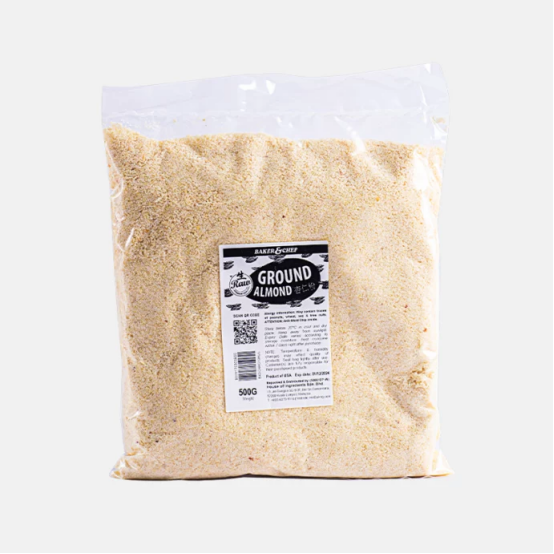
Step 1: Choose the Right Vacuum Sealer
Select equipment based on flour quantity and kitchen space:
| Device Type | Best For | Advantages | Difficulty | Where to Buy (US) |
| Small Home Vacuum Sealer | Daily portions (100-200g), small apartment kitchens | Affordable ($30-$80), compact, seals bags or containers | Easy | Walmart, Amazon (“vacuum sealer”, “best vacuum sealer for food”) |
| Mason Jar Vacuum Sealer | Glass jar storage, medium portions (≤500g), large pantries | Reusable jars, easy scooping, visually appealing | Moderate | Target, Amazon (“mason jar vacuum sealer”) |
My Choice: For apartment living with 1kg packs, I use a small vacuum sealer with 100g portion bags. For larger pantries, Mason jar sealers work well.
Step 2: Seal Properly
Follow three key steps to ensure airtight sealing:
Prepare the Flour: Make sure almond flour is dry. If slightly damp, bake at 122℉ (50℃) for 10 minutes, then cool.
Portion Correctly: Divide into single-use amounts (e.g., 100g for one batch of macarons). Leave 1.5 inches (3.8 cm) at the top of the bag for sealing.
Use Dry Mode and Check Seal: Use the “Dry” mode on your vacuum sealer. After sealing, press the seam to ensure no air bubbles remain.
Step 3: Store Smart
Room Temperature: For short-term use (<3 months) in dry climates (<50% humidity), store in a pantry away from sunlight.
Freezer: For long-term storage (up to 6 months), especially in humid regions (Houston, Florida), store sealed bags in the freezer. Thaw 1 hour before use to prevent condensation.
Common Mistakes to Avoid
Using Thin Bags: Choose 8-mil+ FDA-approved vacuum bags to prevent punctures.
Direct Cutting: Use a clip to open large bags instead of cutting the entire bag.
Ignoring Seal Integrity: Check seals weekly; reseal immediately if any leakage occurs.
Real User Feedback
Chef Mia, New York: “I used to waste 30% of my almond flour due to bad storage. Vacuum sealing 100g portions keeps it fresh for 6 months. My macarons are consistent, and I save $20-$30 a month.”
Sarah, Houston: “Vacuum-sealed almond flour stays clump-free for 5 months, even in high humidity. Looks great in my pantry.”
Mike, Seattle: “First time using a vacuum sealer. 3 months later, flour is still fluffy. No more wasting on small packages from Whole Foods.”
Conclusion
For US bakers, almond flour is a high-consumption ingredient. Large packs are cost-effective but require proper storage. Vacuum sealing creates a dry, oxygen-free environment, keeping flour fresh for six months and reducing waste. It’s a simple, money-saving, and practical method, ideal for American kitchens.