
Using a vacuum sealer when buying bread at Costco is a dilemma for many—the large quantities are cost-effective, but the bread often molds within a few days, especially in summer, even if refrigerated. A vacuum sealer extends the shelf life 2–3 times while keeping the bread crisp. The key is “portioning + correct sealing,” combined with a suitable vacuum sealer and food-grade bags. Even beginners can do it. This guide shares step-by-step instructions, recommended tools, and common pitfalls to avoid.
I. Why Costco Bread Molds Quickly
Costco bread often comes in large family-sized packs (1–2 pounds per bag) with minimal preservatives and basic plastic packaging, making it prone to mold:
Exposure to air: Once opened, slices are exposed to oxygen, accelerating mold growth. Sliced bread has a larger surface area, absorbing moisture faster.
Temperature and humidity: Room temperature (above 77°F / 25°C) or refrigerated storage with high humidity softens bread and encourages mold. In summer, mold may appear in just 3 days.
Large quantity: Families can’t finish the entire pack quickly, and repeated opening increases mold risk.
Vacuum sealing removes air inside the bag, cutting off oxygen that mold needs, and prevents moisture contact, preserving bread at room temperature or frozen for much longer.
II. Core Steps: Vacuum Sealing Costco Bread in 3 Easy Steps
Regardless of sliced bread, baguettes, or pastries, follow these three steps. Focus on “portioning + vacuum intensity” to avoid crushing the bread.
II.I. Portioning: Divide Into Small Packs
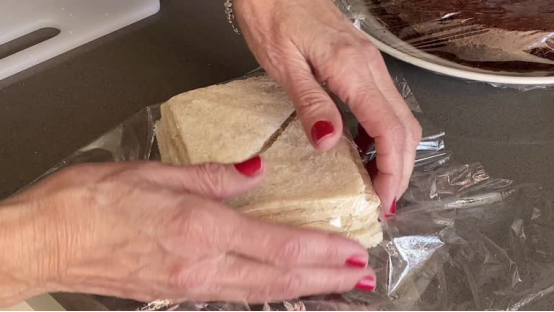
Sliced bread: 3–4 slices per vacuum bag, leaving room to prevent compression.
Baguettes or sandwich loaves: Cut into 4–6 inch segments; place single or double segments per bag.
Pastries/Danish/rolls: Individually wrap to avoid sticking and control serving size.
Choose food-grade textured vacuum bags, which seal better than smooth bags and prevent sticking. See recommended options at https://buyvacuumsealer.com/shop/ and filter by “Food-Grade” and “Textured.”
II.II. Vacuum Sealing: Adjust Intensity for Soft Bread
Different breads require different vacuum strengths. For soft slices or flaky pastries, avoid the “strong suction” mode.
Steps:
Place bread in bag, leaving 1–2 inches at the top.
Lay the bag flat in the vacuum sealer, ensuring no folds at the opening.
Select soft food mode or low vacuum, then start sealing.
Tips:
For pastries, add a sheet of paper towel inside the bag to absorb moisture.
For sliced bread, maintain a slight loft to preserve texture.
Recommended vacuum sealers for beginners: multi-mode home units compatible with bread, meat, and grains. Check https://buyvacuumsealer.com/shop/ for models with “bread mode.”
II.III. Storage: Room Temperature or Freezer
Short-term (up to 1 week): Store in a cool, dry place; keep crisp texture.
Long-term (over 1 month): Freeze sealed bread. Reheat directly in the oven at 300°F (150°C) for 3–5 minutes or microwave for 10 seconds.
Thawing tips: For sandwiches, place frozen slices in the fridge overnight or toast directly.
Using this method, Costco whole wheat slices last 20 days, and baguettes retain a crisp crust after freezing and reheating.
III. Choosing the Right Tools: Vacuum Sealer and Bags
Correct tools save time and prevent mistakes. Focus on sealing quality and ease of use.
III.I. Vacuum Sealer: Home Multi-Mode Units
Home models suffice: Costco bread portions are manageable. Home units ($100–$200) are more cost-effective than commercial models.
Key features:
Adjustable mode (soft/hard) to prevent crushing bread
Wet/dry capability for versatile use
Seal width 8–10mm for reliable sealing
Check user reviews for “soft food sealing” effectiveness before purchase.
III.II. Vacuum Bags: Food-Grade Textured Bags
Material: Certified for food contact; freezer safe (-4°F / -20°C).
Textured design: Ensures even vacuum, prevents deformation, and avoids sticking.
Thickness: 0.08–0.12 mm; too thin, tears easily; too thick, doesn’t seal well.
For convenience, consider bundles including sealer and bags, such as those available at https://buyvacuumsealer.com/shop/.
IV. Pitfalls to Avoid
Strong suction on soft bread: Crushes slices and can tear the bag.
Sealing bread in original packaging: Traps moisture, speeding mold growth. Always portion first.
Reusing bags: Residual oils or mold can contaminate fresh bread. Use single-use food-grade bags.
V. Conclusion: Save Money and Keep Bread Fresh
Vacuum sealing Costco bread with portioned bags preserves freshness, extends shelf life, and keeps the texture crisp. Choose a home multi-mode vacuum sealer and textured food-grade bags for the best results. With this method, even large bread packs won’t go to waste.