Post-Workout Meal Prep: Keep Quinoa Bowls Fresh for 2 Days with a Vacuum Sealer

“After the competition, the quinoa bowl I prepared went bad in just one day, wasting all the effort I put into balancing protein and carbs!” Many fitness enthusiasts have faced this frustration. After a competition, the body needs quick nutrition, but homemade meals often lose freshness quickly, especially when traveling for competitions or training. Using a vacuum sealer changes that: quinoa bowls can retain their texture and nutritional value for up to 2 days while saving the hassle of repeated meal prep.
This article explains the logic behind vacuum-sealed quinoa bowls, the science of freshness preservation, and tips for choosing the right vacuum sealer and vacuum seal bags to streamline post-workout nutrition.
Common Freshness Challenges in Post-Workout Meals
Quinoa bowls for post-workout meals often include chicken breast, shrimp, avocado, and other high-protein, high-fiber ingredients. These ingredients are sensitive to storage, and ordinary methods often fail:
Rapid Oxidation and Nutrient Loss
Exposure to air causes oxidation within hours. Chicken and shrimp start to discolor and lose protein quality, while cut avocado can brown in under an hour. Using standard storage containers, even refrigerated, can’t prevent this. In my experience, avocado turned half-black within 12 hours, and chicken became dry.
Cross-Contamination of Flavors
Quinoa bowls combine grains, protein, vegetables, and sauces. Poorly sealed containers allow flavors to mix, altering taste. Quinoa may absorb acidic dressing, chicken may pick up vegetable odors, and the carefully crafted meal becomes unappetizing.
Refrigeration Alone Isn’t Enough
Even in the fridge, standard storage methods usually fail within a day. Quinoa absorbs moisture and becomes sticky, vegetables lose crunch, and protein can spoil. Competitions often span multiple days, and ordinary storage cannot maintain freshness for 2 days.
How Vacuum Sealing Keeps Quinoa Bowls Fresh for 2 Days
The core principle of vacuum sealing is removing air and isolating oxygen, slowing oxidation and bacterial growth. Using a vacuum sealer and vacuum seal bags, I tested quinoa bowls over 2 days, and the results were impressive.
Step 1: Prepping Ingredients to Prevent Moisture Issues
Proper prep is crucial to avoid liquid leakage or crushing during vacuum sealing:
Layer ingredients: Separate dry items (quinoa, roasted sweet potato) from wet items (chicken, shrimp, sautéed vegetables). Store dressings separately in small vacuum seal bags.
Control moisture: Pat meat and vegetables dry to prevent excess water from affecting vacuum quality or bacterial growth.
Cool to room temperature: Hot ingredients can warp vacuum seal bags and create steam, making food soggy.
Step 2: Vacuum Sealing Properly
Selecting the right vacuum sealer and using proper technique ensures freshness:
Choose the right bags: Food-grade PE bags, 0.8 mm thickness or above for puncture resistance. Size according to portion, e.g., 8×10 inches for one serving.
Arrange carefully: Leave about 2 inches at the top to avoid blocking the seal.
Seal gently: Start the vacuum + seal mode. Avoid over-suction to prevent crushing delicate foods; leave slight flexibility in the ingredients.
Step 3: Refrigerated Storage
Once sealed and refrigerated at 32–39°F (0–4°C), ingredients stay fresh for 2 days:
Quinoa: Maintains distinct grains, not sticky.
Protein: Chicken stays tender, shrimp remains white and fresh.
Vegetables: Broccoli, bell peppers retain crunch.
Sauces: Individually sealed sauces preserve flavor.
Reviews show that vacuum sealing extends food freshness by 2–3 times, perfect for post-workout meal prep.
Choosing the Right Vacuum Sealer and Bags
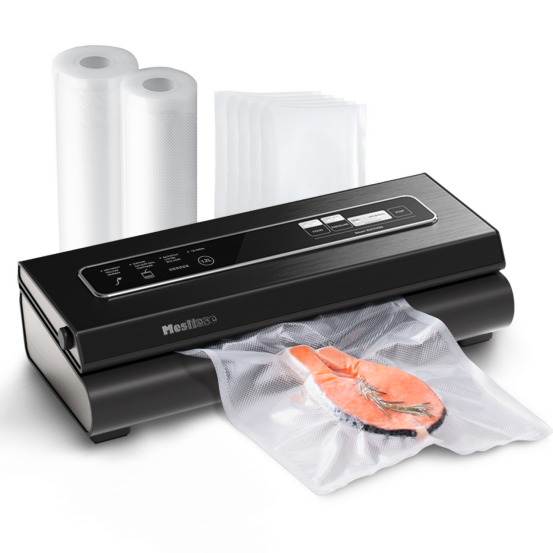
Fitness enthusiasts should consider portability, compatibility, and cost-effectiveness when selecting vacuum seal equipment.
Vacuum Sealers
Home-use models: Adequate for most post-workout meals, more affordable than industrial chamber sealers.
Basic models: Suitable for occasional meal prep, around $30–50 USD, support dry and wet sealing.
Advanced models: For frequent competitions or batch prep, $70–120 USD, with features like divided vacuum and freshness timers. Some models also allow vacuum sealing mason jars for nuts, protein powder, or supplements.
Tips: Choose machines with overheat protection. For travel, handheld vacuum sealers with rechargeable batteries are convenient.
Vacuum Seal Bags
Material: Food-grade, PE+PA composite preferred; microwave-safe.
Thickness: 0.8–1.2 mm for quinoa bowls; thicker bags for bone-in meat.
Style: Flat or stand-up bags; reusable zippered options are eco-friendly and cost-effective.
Popular choices among fitness enthusiasts include Foodsaver vacuum sealer bags and reusable vacuum seal bags for convenience and sustainability.
Practical Tips for Nutritional and Convenient Post-Workout Meals
Preserve Nutrients
Marinate proteins before sealing: Chicken or shrimp marinated briefly enhances flavor and accelerates seasoning absorption.
Blanch vegetables: Adding a small amount of olive oil during blanching preserves vitamins.
Moist quinoa: Stir in a teaspoon of low-fat yogurt to keep quinoa moist.
Easy Consumption
Label bags: Write date and contents (e.g., “10/28 Quinoa + Chicken + Broccoli”) to track freshness.
Single-serving portions: Open only what you eat to avoid contamination.
Microwave directly: Cut a small vent, microwave for 2 minutes; perfect for post-workout time crunches.
Maintain Equipment
Clean regularly: Wipe vacuum slot to prevent residue buildup.
Replace parts: Check seal strips every 6 months.
Store bags properly: Keep in cool, dry place to avoid plastic degradation.
Conclusion: Stress-Free Post-Workout Meal Prep with Vacuum Sealing
Vacuum-sealed quinoa bowls solve the 2-day freshness challenge, save prep time, and support recovery. With the right vacuum sealer, bags, and careful prep, you can enjoy fresh, nutritious meals anytime, whether during competitions or daily training. Fresh post-workout meals make a tangible difference in recovery and performance.