
For office workers, home meal prep, or outdoor picnics, one common frustration is reheated rice turning dry, hard, or unevenly cooked. Ordinary storage containers seal poorly, causing rice to absorb moisture during storage and lose it upon reheating. Vacuum sealer rice bowls address this issue with “vacuum freshness-lock” technology, allowing rice to stay soft and fluffy even after multiple reheatings, making them a top choice for convenient meals.
Why Vacuum-Sealed Rice Bowls Maintain Soft Texture After Reheating
The secret lies in vacuum sealing, which preserves rice moisture and texture from storage to reheating, preventing common problems seen with standard containers.
1. Air-Free Storage Locks in Moisture
Vacuum sealer rice bowls remove air to create a near-oxygen-free environment. This prevents rice moisture from evaporating and reduces starch oxidation. Even after 1–2 days, reheated rice maintains separate, fluffy grains without clumping or sticking together like rice stored in regular containers.
For instance, a commuter preparing rice in the morning can store it in a vacuum sealer rice bowl and microwave it for two minutes at lunch, achieving a texture almost identical to freshly cooked rice, with no dry edges or undercooked centers.
2. Heat-Resistant Materials Suitable for Multiple Heating Methods
These rice bowls are made of high-temperature-resistant materials, allowing safe reheating in microwaves, steamers, or boiling water without warping or releasing harmful substances:
Microwave heating: Vented lids release steam, preventing excessive pressure and over-softening while maintaining the rice’s texture.
Steaming or boiling: Ceramic or food-grade PP materials withstand temperatures above 100°C, ensuring even heating and preventing undercooked centers.
Compared to standard plastic containers, vacuum sealer rice bowls retain their shape and flavor, even after repeated reheating, and they do not absorb odors that could alter rice taste.
Choosing the Right Vacuum Sealer Rice Bowl: 3 Key Factors
Not all vacuum rice bowls guarantee that rice stays soft after reheating. Consider the following points to ensure the best performance:
1. True Vacuum Sealing, Not Just “Air-Tight”
Some bowls advertise “sealed” but lack actual vacuum functionality, making them no different from ordinary containers. Look for clear labels such as “vacuum seal” or “compatible with vacuum pump,” preferably with a vacuum level indicator.
For optimal freshness, bowls compatible with small home vacuum sealers work best. For example, this vacuum sealer rice bowl set features lids with air valves compatible with home vacuum pumps, maintaining rice softness even after three days.
2. Heat-Resistant and Odor-Free Materials
Material affects both taste and safety. Prioritize:
Ceramic: Offers even heat distribution, prevents localized overcooking, and retains the natural aroma of rice.
Food-grade PP5: Lightweight, microwavable, freezer-safe, and odorless, perfect for office lunches or daily use.
Avoid low-temperature plastics or recycled materials that may warp or release unwanted substances during reheating.
3. Capacity and Seal Must Match Your Needs
Single servings: 300–500ml bowls prevent repeated opening and vacuum loss.
Family use: 800–1000ml bowls with double-seal lids maintain vacuum even with hot rice, keeping multiple servings soft.
For families, using large vacuum sealer rice bowls allows morning-prepared rice to remain soft and palatable by lunchtime.
Tips for Optimal Texture and Freshness
Even with high-quality bowls, these practices enhance reheated rice texture:
1. Add a Spoonful of Water Before Reheating
For rice stored over 12 hours, add 1–2 tablespoons of water before heating to restore moisture lost during storage, gently stirring to distribute evenly. Avoid adding too much water, which could make rice sticky.
2. Portion and Seal to Minimize Reheating
Store rice in single-serving vacuum bowls to avoid repeated reheating, which causes moisture loss and texture degradation. Dividing rice into individual portions ensures soft, evenly heated grains throughout the day.
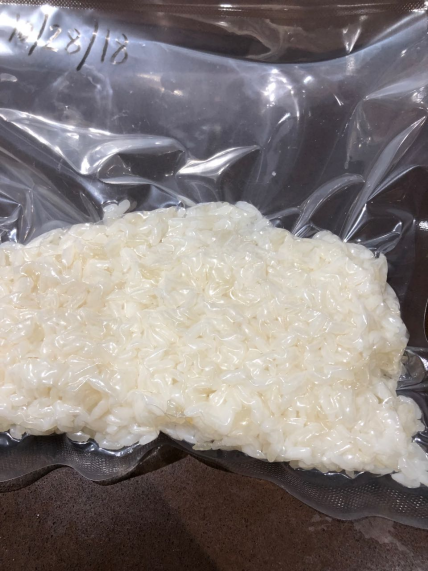
For improved storage, use vacuum seal bags or a home vacuum sealer for rice preservation. The site categorizes products by material and usage, with user reviews on texture and freshness, helping you select bowls that maintain softness after reheating.
Vacuum Sealer Rice Bowls Combine Convenience and Taste
For many, reheating convenience often sacrifices texture. Vacuum sealer rice bowls solve this by preserving moisture with vacuum sealing and using heat-resistant materials. Choose bowls with true vacuum functionality, odorless heat-resistant materials, and appropriate capacity. Combined with proper reheating techniques, these bowls ensure rice remains soft, fluffy, and delicious, whether for office lunches, home meals, or outdoor picnics.