
Beef jerky is a popular snack, but improper storage often leads to issues such as moisture absorption, flavor mixing, and scattered crumbs. These problems become more pronounced when carrying jerky outdoors or sharing with others. Vacuum sealing effectively addresses these pain points. Using a dedicated vacuum sealer and vacuum seal bags, beef jerky can be preserved longer while allowing clean, mess-free consumption. Whether at home, in the office, or on outdoor trips, vacuum-sealed jerky ensures a convenient and tidy snacking experience.
Why Choose Vacuum-Sealed Beef Jerky? Three Core Benefits
Traditional plastic bags or storage containers often cause crumbs, moisture intrusion, and flavor contamination. Vacuum sealing addresses these issues at the source, offering three key advantages:
Mess-Free Snacking: No Crumbs, Easy Access
Containment of Crumbs: Vacuum-sealed bags tightly enclose beef jerky, especially in individual small packs (1-2 servings). Opening the bag won’t scatter crumbs, keeping hands, clothes, and surfaces clean.
Convenient Access: Many vacuum seal bags feature tear-friendly designs, eliminating the need for scissors. For leftover portions, handheld vacuum sealers allow resealing to maintain freshness and hygiene.
Travel-Friendly: Compact vacuum-sealed packs prevent damage during transport and avoid cross-contamination of other items. Ideal for commuting, camping, or travel.
Extended Shelf Life: Moisture and Oxidation Protection
Air Exclusion: A vacuum sealer removes air from the bag, reducing exposure to oxygen and slowing oxidation. This prevents stale odors or discoloration.
Moisture and Flavor Protection: Vacuum seal bags block ambient moisture and prevent cross-flavor contamination in the fridge, keeping jerky crisp.
Longer Storage: Unopened vacuum-sealed jerky can last 1-2 months at room temperature and 3-4 months refrigerated, extending storage time by over 50% compared to traditional packaging.
Space-Saving Storage: Compact and Organized
Reduced Volume: Vacuum sealing compresses beef jerky, saving space in cabinets or refrigerators.
Clear Organization: Use different bag sizes for various flavors (e.g., spicy, teriyaki) or production dates. This makes it easy to locate and retrieve specific portions without disturbing other snacks.
How to Vacuum Seal Beef Jerky: Tools and Step-by-Step Guide
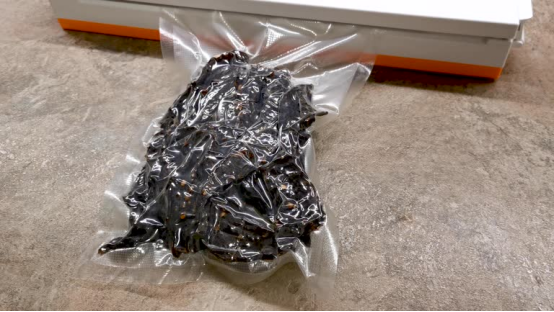
Proper vacuum sealing requires the right tools and technique. Whether for homemade or bulk jerky, the process is straightforward.
Tool Selection: Three Types of Vacuum Sealers
Choose a vacuum sealer and matching vacuum seal bags based on usage and quantity:
Home Desktop Sealer: Ideal for daily use or small quantities, affordable, easy to operate. Supports dry foods and often has adjustable vacuum levels to prevent crushing jerky. Recommended with textured bags, 15×20cm for small portions or 20×30cm for larger packs.
Portable Handheld Sealer: Lightweight and rechargeable, suitable for resealing opened packs or sealing small portions while traveling. Works with compatible flat-top vacuum bags.
Commercial Sealer: High vacuum level and fast sealing for large batches. Can handle large bags or different food types, perfect for long-term or bulk storage.
If you want to shop for vacuum sealers and bags, visit this platform for home, portable, and commercial options tailored for beef jerky.
Step-by-Step Vacuum Sealing: Four Easy Steps
Using a desktop vacuum sealer as an example:
Portion the Jerky: Divide jerky into 1-2 serving portions. For jerky with crumbs, gently sift to remove excess.
Place in Vacuum Bag: Leave 3-5cm space at the top; keep textured side down if applicable.
Operate the Sealer: Place bag opening in the sealing area, ensure it is flat, and start the dry-food mode. The machine extracts air and seals the bag in 10-20 seconds.
Check Seal: Gently test the seal for air leaks. If incomplete, reseal to ensure airtight closure.
Consumption and Storage Tips: Keep Jerky Fresh and Clean
Eating Tips: Portion-Controlled, Clean Handling
Prefer Individual Packs: Open one portion at a time to avoid leftover storage issues.
Immediate Handling: For larger packs, consume within 2-3 days or reseal using a handheld sealer.
Avoid Direct Contact: Use clean utensils or disposable gloves to maintain hygiene and prevent contamination.
Storage Advice: Extend Shelf Life
Room Temperature: Unopened vacuum-sealed jerky lasts 1-2 months at 20-25°C and <60% humidity, away from sunlight and heat sources.
Refrigeration/Freezing: Refrigerate for 3-4 months or freeze for 6-8 months. Thaw frozen packs in the fridge 1 hour prior to consumption to prevent moisture absorption.
Avoid Repeated Thawing: Pre-portion jerky to thaw only what is needed to preserve texture and freshness.
Equipment Selection and Common Issues: Avoid Mistakes, Seal Efficiently
Key Considerations
Bag Compatibility: Ensure vacuum sealer supports the chosen bag type. Universal machines or bundled machine-bag sets are recommended (shop here).
Usage Frequency: Occasional use warrants a basic desktop model; frequent or bulk sealing benefits from higher vacuum capacity and durability.
Common Questions
Crushed Jerky: Adjust vacuum level to medium or place a cardboard separator in the bag.
Leftover Jerky: Reseal with a handheld sealer or place in a clean container with air removed. Consume within 2-3 days.
Homemade Jerky: Fully cool jerky before sealing to prevent condensation and spoilage.Vacuum sealing upgrades the jerky experience by solving mess issues and extending freshness. Whether at home or on the go, vacuum-sealed beef jerky allows easy, clean enjoyment. For vacuum sealers and compatible bags, visit this shop to find tools that efficiently seal jerky and enable a tidy snacking experience.