
Baking enthusiasts know that the freshness of whole wheat flour directly shapes the flavor, texture, and nutritional quality of baked goods. Freshly milled whole wheat flour brings out a nutty aroma and produces soft, chewy bread or deeply flavorful cookies. Yet, improper storage can lead to moisture absorption, clumping, oxidation, and even infestation by pantry pests, spoiling both the flour and your baking plans. Traditional storage containers and zipper bags often fail to completely block air and humidity. Using a vacuum sealer transforms this challenge, preserving flour at peak freshness and ensuring that every baking session starts with quality ingredients.
The Storage Challenges of Whole Wheat Flour
Unlike refined flour, whole wheat flour contains bran and germ, which are rich in fiber, oils, and proteins, making it sensitive to storage conditions. Traditional methods often fall short in three key areas:
1. Oxidation: Nutrients and Aroma Lost
Exposure to air quickly oxidizes the unsaturated fats in the germ, diminishing flavor and producing a rancid smell. Oxidation also depletes B vitamins. Research shows that whole wheat flour stored for over a month in typical conditions can lose 15–20% of its nutritional value.
2. Moisture: Clumping and Mold
Whole wheat flour readily absorbs moisture. Even in dry climates, seasonal humidity can cause clumps or mold growth. Minor clumps can sometimes be sifted out, but excessive moisture can render the flour unusable.
3. Pests: Infestation Risks
Bran naturally attracts pantry insects like weevils. Even sealed flour can become infested if stored improperly. Warm and humid environments can accelerate hatching, contaminating your flour with larvae and excrement.
Studies confirm that traditionally stored whole wheat flour remains fresh for only 1–2 months at room temperature (about 77°F), whereas vacuum-sealed flour can last up to 6 months at room temperature and 12 months refrigerated, with aroma and nutrients largely intact.
How Vacuum Sealing Preserves Flour
A vacuum sealer combined with vacuum seal bags offers the most effective solution by physically blocking air, moisture, and pests. The method relies on four core principles:
1. Air Removal: Stop Oxidation
Vacuum sealing reduces oxygen levels in the bag to below 1%, significantly slowing oxidation. Flour stored this way maintains its nutty aroma and nutrient content. Even after months, dough rises more consistently, and baked goods retain full flavor.
2. Moisture Barrier: Keep Flour Dry
High-quality vacuum seal bags, often made of multilayer PA+PE film, block external humidity. Compressing the flour while sealing reduces internal air circulation, preventing condensation and clumping. For best results, ensure flour is completely dry (≤13% moisture) before sealing. A quick low-temperature oven drying (around 120°F for 10 minutes) can restore slightly damp flour.
3. Pest Protection: Physical and Environmental Defense
Vacuum sealing creates a barrier that prevents insect entry. Oxygen reduction also stops any residual eggs from hatching. This dual protection is effective for both small 500g packages and larger 2.5kg batches, making it ideal for home bakers and small baking studios alike.
4. Space Efficiency: Easy Organization
Sealing compresses flour volume by 20–30%, saving cabinet or fridge space. Labels can indicate purchase date, quantity, and intended use, making “first in, first out” rotation simple and ensuring no flour goes to waste.
Practical Steps for Vacuum-Sealing Whole Wheat Flour
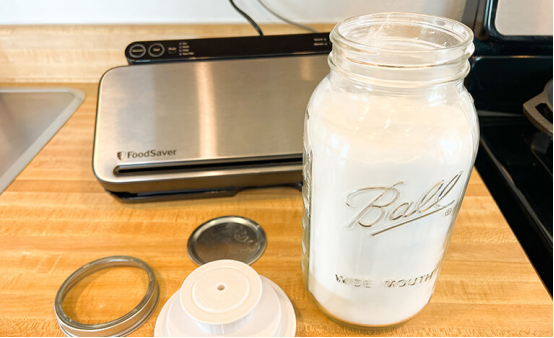
Even beginners can vacuum-seal flour effectively with three straightforward steps:
Step 1: Preparation
Choose a vacuum sealer suitable for dry goods. Compact countertop models like FoodSaver or Nesco are user-friendly and cost-effective. Mason jar vacuum accessories allow sealing glass jars directly. Select food-grade vacuum bags at least 0.12 mm thick; textured bags help evacuate air and prevent flour from clogging the seal.
Step 2: Sealing
Fill the bag, leaving 2–3 inches at the top to avoid flour contact with the seal. Fine flour can be double-bagged for extra protection. Use the “dry mode” if available, and ensure the seal is airtight. Check for bubbles or leaks and reseal if needed.
Step 3: Storage and Use
Room temperature storage (68–77°F) is suitable for 1–3 months. Refrigeration (32–41°F) extends freshness to 3–6 months, and freezing (-0.4°F or lower) allows up to a year of storage. Always reseal after each use, starting with the oldest batch, to maintain freshness.
Choosing the Right Vacuum Sealer for Flour
Not all vacuum sealers are equal. For flour storage, prioritize:
Dry Mode & Adjustable Vacuum Pressure – Prevents over-compression and ensures optimal air removal.
Food-Grade, Moisture-Resistant Bags – Multi-layer PA+PE films prevent moisture and punctures.
Ease of Use—One-button operation is ideal for busy home bakers.
User Experience and Benefits
Bakers report that vacuum-sealed flour consistently produces better dough and richer flavors. Weekly bread, cookies, and pastries retain their texture and aroma longer. Vacuum sealing also reduces kitchen clutter, keeps flour organized, and prevents costly spoilage.
Conclusion: Start Every Bake with Fresh Flour
Vacuum sealing is a simple yet powerful method to keep whole wheat flour fresh. By blocking air, moisture, and pests, it turns storage from a concern into a convenience. For bakers looking to maintain ingredient quality, a vacuum sealer and vacuum seal bags are indispensable tools. Explore the latest selection of home vacuum sealers and bags at Buy Vacuum Sealer—from countertop machines to mason jar accessories, everything you need to keep your flour fresh and baking worry-free.