Community Garden Harvest Too Big? Keep Tomatoes & Cucumbers Fresh 2 Weeks with Vacuum Sealing

After gardening in a Seattle Community Garden for three years, I know the joy—and frustration—of a bountiful harvest. Last month, tomatoes and cucumbers hit peak season: 20+ tomatoes and about 10 cucumbers per week. Even after sharing with neighbors, I still had a full basket left.
Without experience, I tossed the extra tomatoes in the fridge, and within three days they began to soften and peel. Cucumbers wilted into “shriveled sticks.” It was painful to see fresh produce go to waste. That’s when Martha, a seasoned gardener in our community, recommended vacuum sealing. After sealing and refrigerating, tomatoes and cucumbers stayed crisp for 2 weeks. Today, I’ll share my step-by-step process, the science behind vacuum preservation, and real feedback from fellow gardeners to show how to handle an overabundant Community Garden harvest.
Common Problem: Too Much Harvest from Community Gardens
Community Gardens in the U.S. are great for connecting with nature and sharing the harvest. But late summer and early fall bring produce overload:
Tomatoes spoil fast: Even gentle handling leads to spoilage from the stem end within 3–5 days, especially ripe cherry tomatoes.
Cucumbers dehydrate: Thin-skinned cucumbers lose moisture quickly. At room temperature, they wilt in a day; even refrigerated, they rarely last a week.
Waste is common: Community Garden produce is organic, without preservatives, so extra veggies often end up discarded.
I learned this the hard way. One weekend, I left 30 tomatoes in a regular storage bag while visiting a friend. Returning two days later, half were moldy and had to be thrown away. Martha noticed my frustration and said:
“Many gardeners use vacuum sealing. Tomatoes last 2 weeks, cucumbers stay crisp for 10+ days.”
I decided to try—and it worked!
Step-by-Step Vacuum Sealing for Tomatoes & Cucumbers
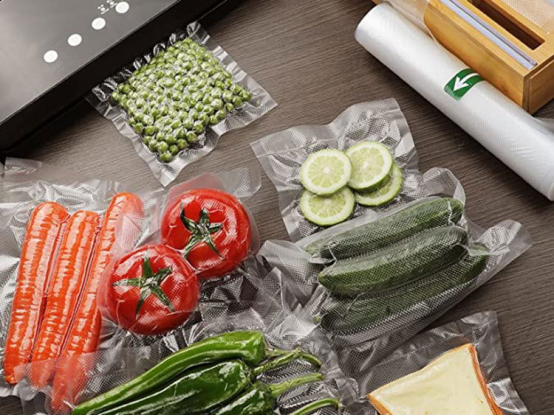
Vacuum sealing is simpler than it sounds. For tomatoes and cucumbers, there are small but critical details:
1. Prepping Produce: Handle According to Vegetable Type
Tomatoes: Select firm, unblemished tomatoes. Keep a bit of the stem to reduce moisture loss. Wipe off dirt with a paper towel—do not wash, as surface moisture encourages mold. Cherry tomatoes: seal 5–6 per bag to avoid crushing; larger tomatoes: seal individually.
Cucumbers: Choose firm cucumbers with smooth skin. Quickly rinse off dirt, then thoroughly dry, especially at the stem and tip. Cut into 5 cm segments for convenience or seal whole for longer storage.
2. Vacuum Sealing: Use Proper Bags and Pressure
Bags: Use food-grade textured vacuum bags, not standard storage bags. Textured bags extract air better and withstand refrigeration. 8×12-inch bags fit a large tomato or 2 cucumber segments.
Pressure: Medium-low for tomatoes to prevent crushing; medium-high for cucumbers. Seal until the bag snugly hugs the produce without deforming.
Check the seal for leaks; reseal if necessary.
3. Refrigeration: Temperature & Placement Matter
Store in the fridge’s vegetable drawer at 4°C (39°F).
Keep away from high-ethylene fruits like apples, bananas, and avocados—they accelerate ripening and spoilage. Proper separation keeps vacuum-sealed tomatoes and cucumbers crisp for 2 weeks.
Why Vacuum Sealing Works
According to USDA Extension Service research:
Spoilage causes: oxygen promotes bacterial growth; moisture loss or excess moisture causes wilting.
Vacuum sealing effect: removes oxygen, limiting bacterial growth, and traps natural moisture, preventing dehydration or condensation damage.
Note: Tomatoes and cucumbers are respiratory-sensitive—even without oxygen, they slowly continue respiration, so 2 weeks is an ideal storage window. Beyond that, texture may soften slightly but won’t spoil.
Real Gardener Feedback
Martha (10-year gardener):
“I vacuum-seal tomatoes every year. Last year’s batch lasted 3 weeks and made excellent sauce. Cucumbers stayed crisp for 12 days—much better than normal refrigeration.”
David (new gardener):
“Cucumbers used to wilt in 3 days. Vacuum-sealed, they lasted 10 days, still crisp for salads. Easy for beginners.”
Lisa (pickling enthusiast):
“I vacuum-seal slightly soft tomatoes for canning. They lose less juice than fresh, making preparation faster.”
3 Common Mistakes to Avoid
Don’t seal overripe produce: Tomatoes that are too soft or cucumbers with wrinkles won’t last. Pick “80% ripe” vegetables.
Don’t reopen bags repeatedly: Once opened, consume quickly. Exposure to air reintroduces bacteria.
Don’t overfill bags: Leave slight space between items to prevent crushing, especially for tomatoes.
Conclusion: Prevent Waste, Keep Community Garden Produce Fresh
Vacuum sealing is a must-have tool for Community Garden gardeners. Tomatoes stay firm for 2 weeks; cucumbers stay crisp for 12 days. You can enjoy fresh produce gradually, make salads or soups anytime, and share without wasting.
If you grow too many vegetables or participate in a Community Garden, try this method. Questions like “Which vacuum sealer is best?” or “Can this work for lettuce or carrots?” can be asked in the comments. Share your tips and help fellow gardeners enjoy every harvest!