
Say Goodbye to Soggy Bars — How Vacuum Sealing Keeps Energy Bars Crisp for a Week
As someone who hits the gym every day without fail, I’ve often struggled with storing homemade protein bars. On weekends, I spend a couple of hours baking oat and nut bars. Stored in a regular container in my gym locker, they’d get soft in just three days, almost like soggy cookies. Switching to resealable bags helped a bit, but leftover moisture still made the bars sticky, and the nuts lost their crunch. Ultimately, I had to throw some away — all that effort wasted.
That changed when I started using a vacuum sealer. By individually vacuum sealing each bar, I can leave them in my gym locker for a week and they come out just as crisp as when I baked them.
Why Moisture Ruins Homemade Energy Bars
For gym-goers, protein bars are essential fuel — a pre-workout carb boost and post-workout protein source, healthier than store-bought options with extra sugar or additives.
The problem is that homemade bars are sensitive to moisture:
Standard containers: Even “airtight” boxes leave some air inside. Gym lockers aren’t ventilated, so oats and dried fruit absorb humidity, and nuts lose crunch within three days.
Resealable bags: Opening them repeatedly lets air in, accelerating moisture absorption, and sharp locker items can puncture the bag.
Refrigeration: While it extends shelf life, you have to remember to bring bars from the fridge. Cold bars can upset your stomach in the morning, and heating them often changes texture.
Many gym friends share the same struggle: bars either go soggy or are inconvenient to carry, which leads people to buy pre-packaged bars, often with too much sugar or additives.
How Vacuum Sealing Keeps Bars Crisp for 7 Days
At first, I thought vacuum sealing was just about sealing tightly. After some research, I learned it solves the moisture problem by removing air and humidity.
Homemade bars typically contain oats, nuts, and honey or syrup — all hygroscopic ingredients. Oats absorb moisture from the air, and nuts’ oils oxidize, making the bars soft or rancid. A vacuum sealer removes over 98% of air and moisture, creating a low-oxygen, low-humidity environment. This prevents both sogginess and nut oxidation.
For example, last Sunday I baked oat almond bars, cut them into eight individually vacuum-sealed portions, and left them in my gym locker (around 77°F / 25°C). On Saturday morning, I grabbed one — it was still crisp, oats retained their texture, and almonds stayed crunchy.
Step-by-Step Guide: Vacuum Sealing Homemade Protein Bars
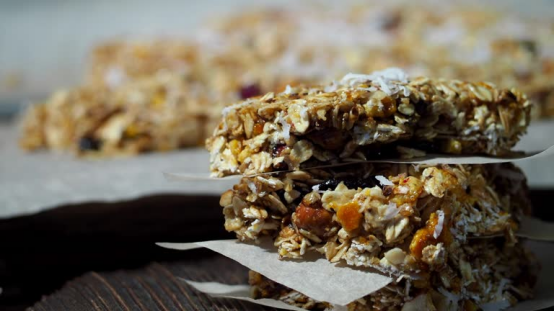
Even beginners can master this in 10 minutes with three simple steps: cool, portion, seal.
Step 1: Fully Cool Bars Before Packaging
Hot bars release moisture, which can condense in the bag.
Place baked bars on a wire rack (avoid a solid countertop, which traps moisture).
Cool to room temperature (1–2 hours).
Optionally, gently press surface with a paper towel to remove any residual moisture.
Step 2: Portion Into Single-Use Sizes
Cut bars according to your gym routine — for example, 3.5 oz (~100 g) each.
Use a sharp knife, slicing cleanly to avoid crumbling. For softer bars, chill in the fridge for 30 minutes before cutting.
Save broken edges separately as a snack.
Step 3: Vacuum Seal Using the “Dry Mode”
Most home vacuum sealers have a dry food mode suitable for bars.
Use small vacuum bags (12cm×15cm works well for one bar). Ensure food is 2cm below the seal line.
Place the open end in the sealer, close the lid, press “start.” The machine removes air and seals automatically (~15 seconds).
Check the seal — smooth and bubble-free means success. If bubbles appear, reseal.
Store bars in your gym locker; no extra containers are needed.
Real-World Results: Vacuum-Sealed Bars Stay Fresh
I tested vacuum-sealed bars in three common scenarios:
Gym locker (77°F / 25°C, enclosed): Stored for 7 days, still crisp, oats and almonds intact — much better than conventional storage.
Travel (in suitcase, occasional pressure): Bars remained intact, packaging unbroken, perfect pre-workout snack.
Home storage (drawer, room temperature): Stored for 2 weeks, texture almost unchanged — four times longer than standard airtight storage.
Beyond Protein Bars: Vacuum Seal Other Gym Snacks
Vacuum sealing isn’t just for bars — many gym foods benefit:
Cooked chicken breast: Portion and seal; refrigerate 5 days, freeze 1 month.
Instant oats: Pre-portion servings for quick gym breakfasts.
Nuts (almonds, walnuts): Seal to prevent oxidation; stay fresh for 1 month, longer than jars.
Takeaway for Gym-Goers
If homemade bars go soggy on you, vacuum sealing is the game-changer. Share your favorite gym snack storage tips or questions about using a vacuum sealer in the comments — let’s make training and nutrition hassle-free.
Want to know which vacuum sealer I use at home? It’s compact, easy to operate, and perfect for daily gym prep. Message me and I’ll share the pros and cons.